
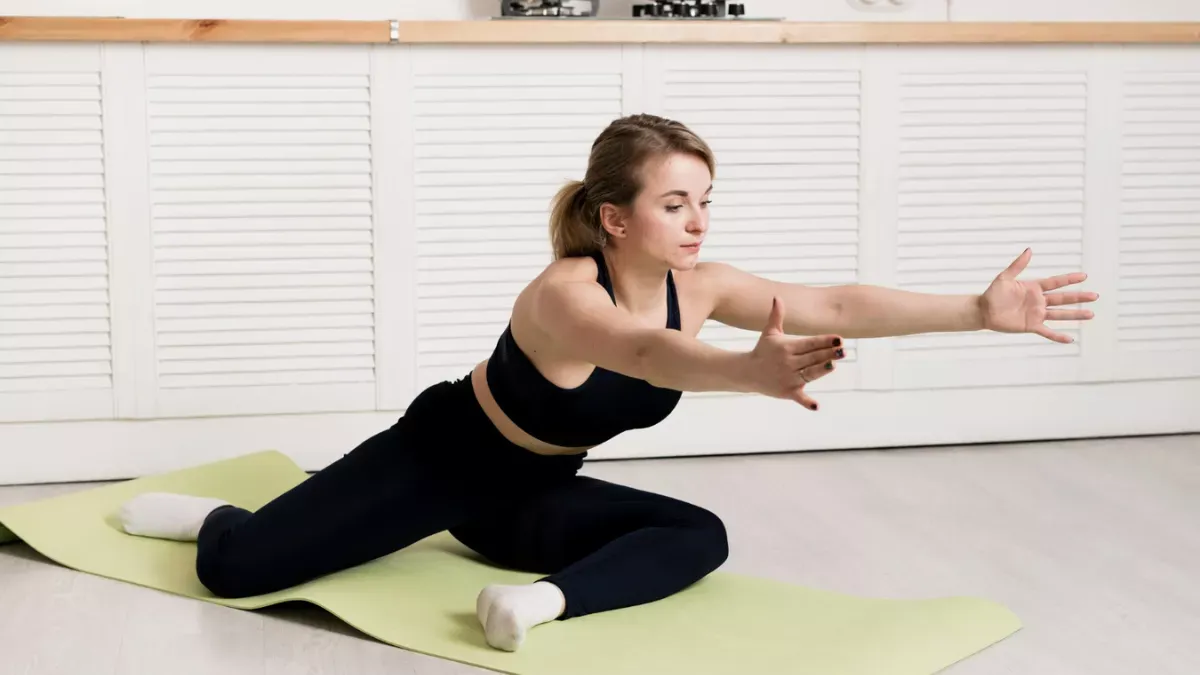
A strong core is more than just visible abs. It supports your spine, improves balance, protects your lower back, and helps your body move efficiently in everyday life. Many people think core workouts require intense gym routines, but yoga offers a powerful and natural way to build core strength while also improving flexibility and posture.
Yoga focuses on controlled movements, steady breathing, and body awareness. This combination activates deep core muscles that traditional workouts often miss. When practiced consistently, yoga can tone muscles throughout the body while strengthening the abdomen, back, hips, and shoulders.
The five yoga poses below are simple, effective, and suitable for beginners as well as experienced practitioners. Each pose activates multiple muscle groups and builds functional strength that supports your overall health and stability.
Why Core Strength Matters
Your core includes much more than your abdominal muscles. It also involves the lower back, obliques, pelvic floor, and deep stabilizing muscles that support your spine.
A strong core helps you maintain better posture, reduce the risk of back pain, improve balance and stability, support athletic performance, and make everyday movements easier.
Yoga strengthens these muscles through slow, controlled positions that require stability and endurance rather than quick repetitions.

1. Plank Pose (Phalakasana)
Plank pose is one of the most effective yoga positions for building total core strength. It engages the abdominal muscles, shoulders, arms, and legs while improving endurance and stability.
How to Do It
Start in a push-up position with your hands directly under your shoulders. Keep your body in a straight line from head to heels. Tighten your abdominal muscles and avoid letting your hips sag. Keep your neck neutral and gaze down. Hold the position for 20 to 40 seconds while breathing steadily.
Benefits
Plank pose activates the deep abdominal muscles known as the transverse abdominis. These muscles stabilize the spine and support posture. Regular practice also strengthens the shoulders and improves body alignment.
Tip
Focus on tightening your stomach as if pulling your belly button toward your spine. This increases core engagement and protects your lower back.

2. Boat Pose (Navasana)
Boat pose directly targets the abdominal muscles while also strengthening the hip flexors and spine-supporting muscles.
How to Do It
Sit on the floor with your knees bent and feet flat. Lean slightly backward while keeping your spine straight. Lift your feet off the ground so your shins are parallel to the floor. Extend your arms forward at shoulder height. Hold the pose for 20 to 30 seconds while maintaining balance.
Benefits
Boat pose builds strong abdominal muscles and improves balance. It also strengthens the lower back and hip muscles, which support core stability during movement.
Tip
If the pose feels difficult, keep your knees bent. As your strength improves, you can extend your legs fully.

3. Warrior III (Virabhadrasana III)
Warrior III is a balance pose that strengthens the entire core while also toning the legs and improving coordination.
How to Do It
Stand tall with your feet together. Shift your weight onto one leg. Slowly lean forward while lifting the opposite leg behind you. Extend your arms forward or keep them at your sides. Keep your body in a straight line from head to lifted heel. Hold the position for 20 to 30 seconds before switching sides.
Benefits
This pose activates the abdominal muscles, lower back, and glutes simultaneously. It also improves balance and strengthens stabilizing muscles that support daily movements.
Tip
Focus your gaze on a fixed point in front of you. This helps maintain balance and stability.
4. Side Plank (Vasisthasana)
Side plank strengthens the oblique muscles, which are essential for core rotation and stability.
How to Do It
Start in a regular plank position. Shift your weight onto your right hand. Rotate your body so your left side faces upward. Stack your feet and lift your left arm toward the ceiling. Keep your body in a straight line and hold for 20 to 30 seconds. Repeat on the other side.
Benefits
Side plank targets the obliques, shoulders, and hips. It improves lateral stability and strengthens muscles that protect the spine.
Tip
If stacking the feet feels challenging, place one foot slightly in front of the other for better balance.
5. Bridge Pose (Setu Bandhasana)
Bridge pose strengthens the lower back, glutes, and abdominal muscles while also opening the chest and improving spinal flexibility.
How to Do It
Lie on your back with knees bent and feet flat on the floor. Place your arms beside your body with palms facing down. Press your feet into the floor and lift your hips upward. Tighten your glutes and engage your core. Hold the position for 20 to 40 seconds.
Benefits
Bridge pose strengthens the posterior core muscles, especially the lower back and glutes. These muscles are essential for posture and spinal support.
Tip
Avoid turning your head while holding the pose to protect your neck.
Tips for Safe and Effective Practice
To get the most benefit from these yoga poses, keep a few simple guidelines in mind.
Focus on proper form because good alignment ensures that the right muscles are activated and reduces the risk of injury.
Breathe steadily during each pose. Deep breathing helps maintain muscle engagement and improves concentration.
Start slowly if you are new to yoga. Hold each pose for shorter periods and gradually increase the duration as your strength improves.
Practice consistently. Even 10 to 15 minutes of yoga daily can significantly improve strength, balance, and flexibility over time.
Conclusion
Building a strong core does not require complicated workouts or expensive equipment. Yoga provides a balanced and effective approach that strengthens muscles while improving flexibility, posture, and body awareness.
Poses like plank, boat pose, warrior III, side plank, and bridge pose work multiple muscle groups and develop deep core stability. These movements not only tone the abdominal area but also strengthen the back, hips, and shoulders.
When practiced regularly, yoga can improve posture, protect the spine, and support everyday movements such as walking, lifting, and bending. The key to success is consistency and mindful practice. By focusing on controlled movements and steady breathing, yoga helps develop strength from the inside out while supporting long-term physical health and well-being.