
Many people today struggle to get a decent night’s sleep. We cope with stress and spend far too much time in front of screens. Our daily schedules are chaotic, and our minds often feel like they are racing all the time. Because of this, it’s hard to truly relax at night. Doing yoga before bed is a natural way to address this problem. You don’t need to do anything strenuous or demanding. In fact, the opposite works better. The best methods for falling asleep involve gentle movements and slow stretches.
Three Poses for Calm Yoga
You want your body to release tension naturally and your nervous system to calm down. You also want to signal to your brain that it’s time to sleep. Here are three yoga poses that help you fall asleep faster. They help you breathe slowly, release tight muscles, and quiet your racing thoughts. Even if you’ve never done yoga, you can perform these in your bedroom before going to sleep.
Why Practicing Yoga Improves Sleep Quality
Sleep problems often stem from a restless nervous system. When your body is always on high alert, falling asleep is nearly impossible. Gentle yoga helps the body transition from stress to relaxation. Tension often builds in the hips, lower back, and spine, and slow stretches can release it. Breathing exercises lower your heart rate and prepare your mind for rest. Practicing relaxing yoga regularly can help you sleep longer, wake up refreshed, and reduce nighttime awakenings.
Legs Up the Wall
This is one of the best poses for relaxing the body before bed. It’s gentle and requires very little effort.
How to do it:
- Sit near a wall, raise your legs, and slowly lie on your back.
- Bring your hips closer to the wall, keeping your posture comfortable.
- Let your arms hang loosely at your sides, palms facing up.
- Shut your eyes and relax.
Why it helps: This pose naturally lowers heart rate, encourages deep breathing, and gives your body a sense of support and security.
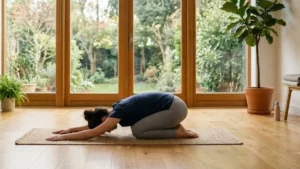
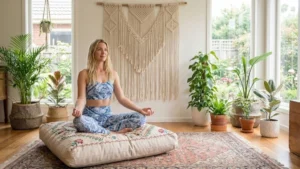
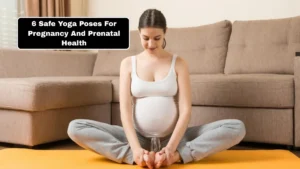
Tip: Stay for 2–5 minutes, breathing slowly. Bend your knees slightly or move your hips away from the wall to ease tension in the lower back.
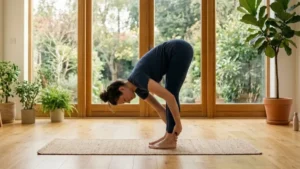
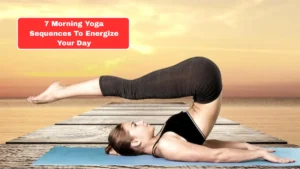
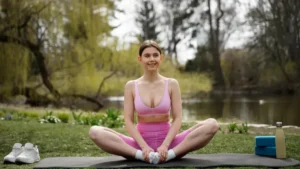
Seated Forward Bend
A relaxing pose that stretches the back and encourages inward focus.
How to do it:
- Sit on the floor and extend your legs forward.
- Keep your back straight, take a deep breath, and slowly bend from the hips.
- Let your head and neck hang naturally. Knees can be slightly bent if needed.
Why it helps: Forward bends calm the mind and release tension in the lower back and legs, helping your body unwind.
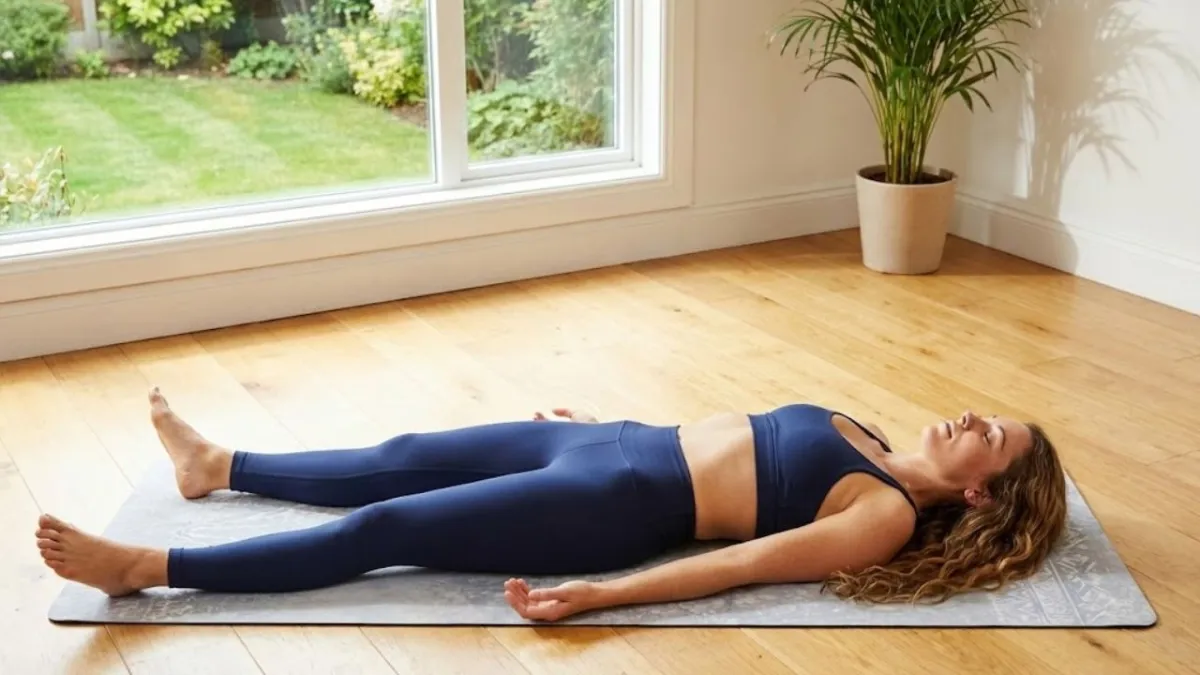
Corpse Pose (Savasana)
Often done at the end of a yoga session, this pose promotes deep relaxation and mental calm.
How to do it:
- Lie flat on your back.
- Place your arms at your sides and allow your feet to naturally fall apart.
- Close your eyes and let your whole body relax.
Why it helps: Your body and mind are fully at ease. It releases remaining tension and clears racing thoughts, helping you fall asleep easily.
Tip: Stay for 3–7 minutes or as long as it takes to feel completely relaxed. You can count slowly from one to ten while focusing on gentle breathing.

How to Make These Poses Part of Your Evening Routine
For best results, practice in a quiet place with dim lighting. Avoid bright screens before starting. A simple sequence is: Legs Up the Wall → Seated Forward Bend → Corpse Pose. This 7–10 minute routine is enough to prepare your body for sleep. Focus on slow, steady breathing, not on how far you can stretch.
Breathing Techniques to Enhance Sleep
Combining yoga with mindful breathing improves results. Try this simple technique:
- Inhale while counting to four.
- Exhale while counting to six.
Exhaling longer than inhaling sends a signal to your brain to relax and calm down. Avoid forced breathing; keep it gentle and natural.
Simple Practices to Encourage Better Sleep
Yoga works best when paired with healthy evening habits:
- Don’t go to bed immediately after eating; wait at least 2 hours.
- Avoid caffeine late in the day.
- Keep your bedroom cool and dark.
- Maintain a consistent bedtime.
Even one simple pose daily over several weeks can improve sleep quality noticeably.
Who Should Be Careful
- People with spinal injuries, high blood pressure, or circulation problems should avoid extended inversions.
- Pregnant women should seek professional advice if unsure about forward bends.
Improving sleep doesn’t require complex routines or medication. Just a few minutes of gentle yoga can help your body relax naturally. These three poses are easy, effective, and powerful when done every night.