
Do you catch yourself slouching while checking your phone? Or feel a dull ache in your neck after hours at your desk? You’re not alone. Poor posture has quietly become one of the most common lifestyle issues today. Long sitting hours, screen time, and lack of movement weaken muscles and strain the spine.
Good posture isn’t just about looking confident. It supports your spine, improves breathing, reduces back and neck pain, and even boosts energy levels. When your body is aligned properly, everything works better — from digestion to circulation.
The good news? You don’t need expensive equipment or complicated routines. Just a few simple yoga poses, practiced consistently, can strengthen key muscles, open tight areas, and restore natural alignment.
In this guide, you’ll discover 7 simple yoga poses for better posture, how they work, and practical tips to get the best results safely.
Why Posture Matters More Than You Think
Before we jump into the poses, let’s understand what “good posture” actually means.
Good posture keeps:

- Your ears aligned over your shoulders
- Your shoulders over your hips
- Your spine in a neutral curve
- Your core muscles gently engaged
When posture is poor, common issues include:
- Rounded shoulders
- Forward head position
- Tight chest muscles
- Weak upper back and core
Over time, this can lead to chronic pain, headaches, reduced lung capacity, and even decreased confidence.
Yoga helps because it:
- Strengthens weak muscles
- Stretches tight muscles
- Improves body awareness
- Encourages mindful alignment
Now, let’s look at the poses.
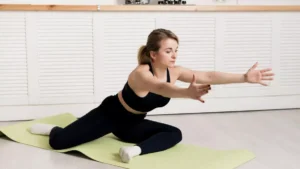
1. Mountain Pose (Tadasana)
This may look simple, but it’s powerful.
How to do it:
- Stand tall with feet hip-width apart.
- Distribute weight evenly on both feet.
- Roll shoulders back and down.
- Lift your chest slightly.
- Keep chin parallel to the floor.
Why it works:
Mountain Pose trains your body to recognize proper alignment. It strengthens postural muscles and improves balance.
Tip: Practice this pose against a wall to check alignment.
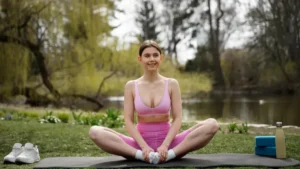

2. Cat-Cow Pose (Marjaryasana–Bitilasana)
Perfect for releasing spinal stiffness.
How to do it:
- Start on hands and knees.
- Inhale: Drop belly, lift chest and tailbone (Cow).
- Exhale: Round spine, tuck chin (Cat).
- Move slowly with breath.
Why it works:
This dynamic movement improves spinal flexibility and reduces tension from prolonged sitting.
Tip: Move slowly and focus on smooth breathing.
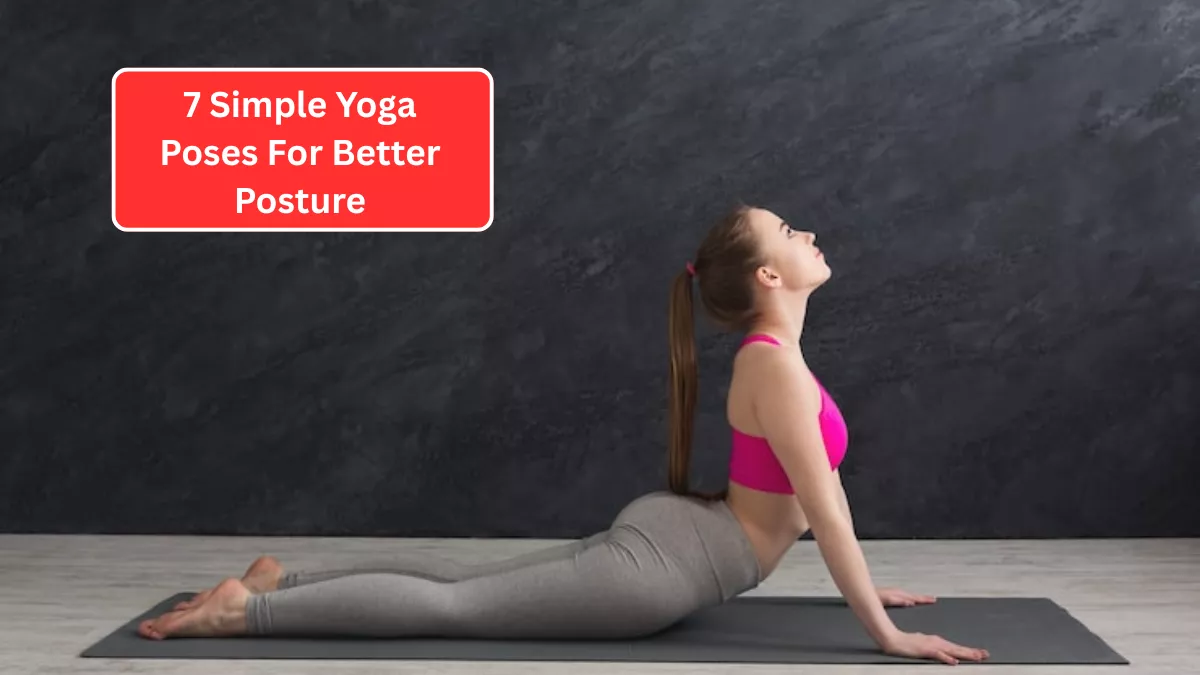
3. Cobra Pose (Bhujangasana)
Great for reversing rounded shoulders.
How to do it:
- Lie on your stomach.
- Place palms under shoulders.
- Press gently and lift chest.
- Keep elbows slightly bent.
Why it works:
Cobra strengthens the lower back and opens tight chest muscles — two key factors in correcting slouching.
Safety Note: Avoid overextending your lower back. Lift only as high as comfortable.
4. Bridge Pose (Setu Bandha Sarvangasana)
An excellent pose for strengthening the posterior chain.
How to do it:
- Lie on your back with knees bent.
- Feet hip-width apart.
- Press feet into floor and lift hips.
- Interlace fingers under your back (optional).
Why it works:
Bridge strengthens glutes and lower back while opening the chest — crucial for upright posture.
Tip: Engage your core gently while lifting hips.
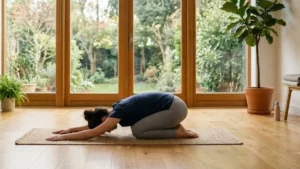
5. Child’s Pose (Balasana)
A gentle reset for the spine.
How to do it:
- Sit back on heels.
- Extend arms forward.
- Lower forehead to the floor.
Why it works:
It lengthens the spine and releases lower back tension.
Best time to use: Between strengthening poses or after long work hours.
6. Plank Pose (Phalakasana)
Strong core, strong posture.
How to do it:
- Start in push-up position.
- Keep body in straight line.
- Engage core and thighs.
- Hold for 20–40 seconds.
Why it works:
Plank strengthens the core, shoulders, and back — essential muscles for maintaining upright posture.
Tip: Avoid sagging hips or lifting them too high.
7. Downward-Facing Dog (Adho Mukha Svanasana)
A full-body posture corrector.
How to do it:
- Start on hands and knees.
- Lift hips up and back.
- Form an inverted “V” shape.
- Press heels toward floor.
Why it works:
This pose stretches the hamstrings and spine while strengthening shoulders and arms.
Bonus Benefit: Improves circulation and relieves neck tension.
How Often Should You Practice?
For noticeable improvements:
- Practice 15–20 minutes daily
- Focus on slow, controlled movements
- Maintain steady breathing
- Be consistent for at least 4 weeks
Posture correction takes time. Think of it as retraining your muscles and nervous system.
Additional Tips for Better Posture
Yoga helps, but daily habits matter too:
- Adjust your desk and chair height
- Keep screens at eye level
- Take standing breaks every hour
- Strengthen your core regularly
- Avoid looking down at your phone for long periods
Small changes add up.
When to Seek Professional Advice
If you experience:
- Persistent back pain
- Numbness or tingling
- Severe spinal curvature
- Injury history
Consult a qualified healthcare professional or certified yoga instructor before starting a routine.
Last Thought
Improving posture doesn’t require extreme workouts or expensive tools. With just seven simple yoga poses, you can strengthen weak muscles, release tight areas, and realign your body naturally.
Start small. Stay consistent. Listen to your body.
Good posture isn’t just about standing tall — it’s about feeling strong, balanced, and pain-free every day.