
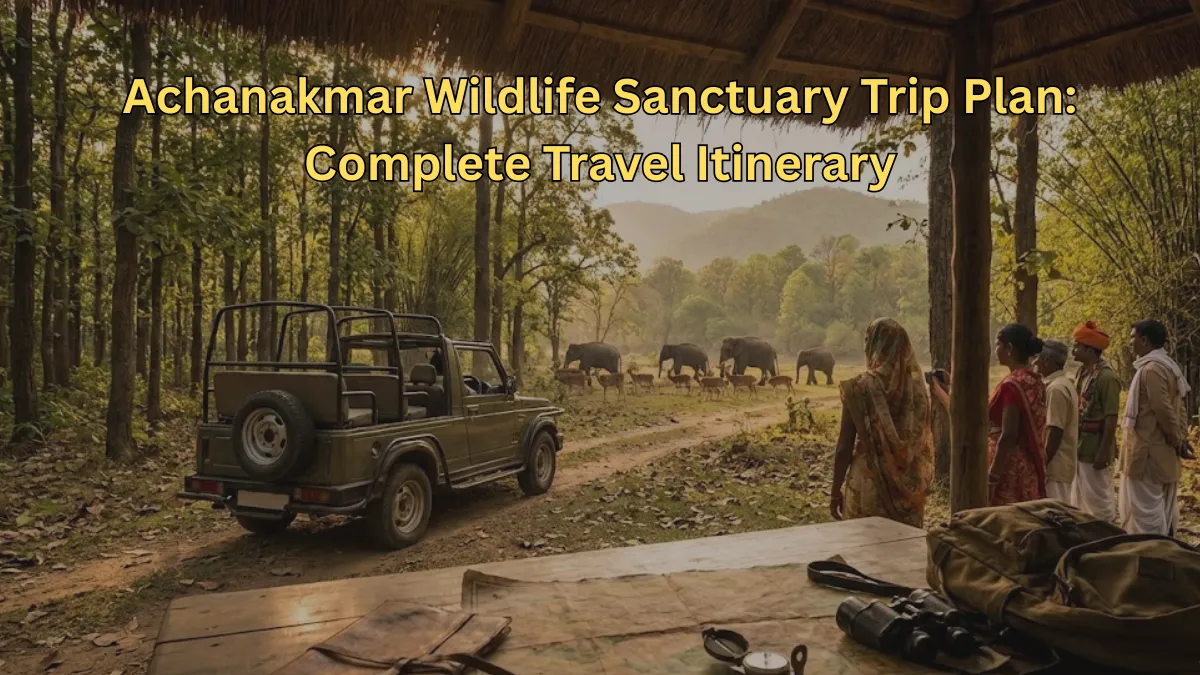
Looking for a wildlife escape that feels raw, untouched, and genuinely off the beaten path? Achanakmar Wildlife Sanctuary might be exactly what you didn’t know you needed. Tucked away in central India, this protected forest is part of a UNESCO-recognized biosphere reserve and offers dense sal forests, rolling hills, waterfalls, and a real chance to spot wild animals in their natural habitat.
If you’re planning a trip and want everything laid out clearly—from how to get there to what to pack—this complete itinerary will help you travel smart, stay safe, and make the most of your time.



Why Visit Achanakmar Wildlife Sanctuary?
Achanakmar Wildlife Sanctuary is located in the state of Chhattisgarh and forms a core part of the Achanakmar-Amarkantak Biosphere Reserve, recognized by UNESCO for its ecological importance. The sanctuary spans over 550 square kilometers and is known for its rich biodiversity.
What makes it special?
• Dense sal and bamboo forests
• Natural waterfalls and river systems
• Tigers, leopards, sloth bears, and Indian bison (gaur)
• Over 150 bird species
• Peaceful, low-tourism atmosphere
Unlike heavily commercialized parks, Achanakmar offers a more authentic forest experience. You won’t find luxury safari crowds here—just nature at its purest.
Best Time to Visit
The sanctuary typically remains open from October to June and closes during the monsoon (July to September).
Here’s what to expect:
October to February (Winter – Best Season)
• Pleasant temperatures (50–77°F / 10–25°C)
• Ideal for wildlife sightings
• Comfortable for safaris and walking
March to June (Summer – High Sightings)
• Hot days (up to 104°F / 40°C)
• Better chances of spotting animals near water sources
• Early morning safaris recommended
For most travelers, winter offers the best balance of comfort and wildlife activity.
How to Reach Achanakmar
The nearest major city is Bilaspur, about 55 kilometers away.
By Air
The closest airport is Raipur (around 140 miles away). From there, you can hire a taxi or take a train to Bilaspur.
By Train
Bilaspur Junction is well connected to major Indian cities like Delhi, Mumbai, and Kolkata.
By Road
From Bilaspur, it’s about a 1.5-hour drive to the sanctuary entrance via forest roads.
Pro tip: Arrange transportation in advance, as public transport options are limited near the sanctuary.
3-Day Achanakmar Wildlife Sanctuary Itinerary
Day 1: Arrival and Forest Introduction
Arrive in Bilaspur and check into your forest lodge or eco-resort near the sanctuary gate.
Afternoon:
• Visit the interpretation center to understand local flora and fauna
• Take a short guided nature walk
• Watch sunset from a forest viewpoint
Evening:
• Early dinner
• Rest for an early safari start
Travel tip: Mobile network connectivity can be weak inside the forest—inform family beforehand.
Day 2: Jeep Safari and Waterfall Exploration
Start early. Most safaris begin around 6:00 AM.
Morning Safari:
• Look for tiger pugmarks
• Spot gaur grazing in open patches
• Watch birds along forest streams
While tiger sightings are not guaranteed, the sanctuary does have a stable tiger population under Project Tiger management. Leopards, wild dogs, and deer are more commonly seen.
Late Morning:
Return to your lodge for breakfast and rest.
Afternoon:
Visit nearby waterfalls such as:
• Achanakmar Waterfall
• Forest streams flowing from the Maikal hills
Evening:
Optional second safari or birdwatching session.
Bring binoculars if you’re interested in hornbills, eagles, or woodpeckers.
Day 3: Tribal Culture and Departure
The forest area is surrounded by indigenous communities, including Baiga and Gond tribes.
Morning:
• Visit a nearby village (with a guide)
• Learn about traditional forest-based livelihoods
• Understand local conservation efforts
Return to Bilaspur by afternoon and depart.
Safari Booking and Permits
Safaris are conducted in designated zones and require permits. It’s advisable to:
• Book through official forest department channels
• Carry government-issued ID
• Follow all wildlife safety guidelines
Only registered vehicles are allowed inside. Self-driving is not permitted in core areas.
Where to Stay
Accommodation options include:
• Forest rest houses (basic but scenic)
• Eco-lodges near the entrance
• Hotels in Bilaspur for budget travelers
Expect simple but comfortable facilities. This is not a luxury destination—it’s a nature-first experience.
What to Pack
Forest trips require thoughtful packing. Here’s a practical checklist:
Clothing:
• Neutral-colored clothes (avoid bright colors)
• Light jacket in winter mornings
• Comfortable walking shoes
Essentials:
• Binoculars
• Sunscreen and hat
• Insect repellent
• Reusable water bottle
Avoid:
• Loud music devices
• Strong perfumes
• Plastic waste
Respect the ecosystem. Leave no trace.
Wildlife You Might Spot
Achanakmar supports diverse wildlife thanks to its location in the Satpura-Maikal landscape.
Mammals:
• Bengal tiger
• Indian leopard
• Sloth bear
• Gaur (Indian bison)
• Sambar and chital deer
Birds:
• Crested serpent eagle
• Indian roller
• Paradise flycatcher
Reptiles:
• Monitor lizards
• Various snake species
Remember, patience is key. Wildlife viewing is about observation, not guarantees.
Safety and Responsible Travel Tips
• Always follow your guide’s instructions
• Do not step out of the vehicle during safaris
• Maintain silence
• Do not feed animals
• Respect tribal communities and ask before taking photos
Forest ecosystems are fragile. Your responsible behavior directly supports conservation.
Budget Overview (Approximate)
For a 3-day trip (per person estimate):
• Accommodation: $20–$80 per night
• Safari fee: $15–$40 per ride
• Transportation from Bilaspur: $40–$80 round trip
• Food: $10–$20 per day
Prices vary by season and accommodation type, but overall, Achanakmar is affordable compared to many Indian tiger reserves.
Why Achanakmar Is Gaining Attention in 2026
Travel trends in 2026 show increasing interest in low-impact, eco-conscious tourism. Travelers are choosing destinations that are less crowded and more sustainable. Achanakmar fits perfectly into this shift.
With conservation efforts strengthening and infrastructure slowly improving, the sanctuary is emerging as a meaningful alternative to mainstream safari destinations.
If you value quiet forests over luxury lodges, this place deserves a spot on your travel list.
Final Summary: Is Achanakmar Worth It?
Absolutely—if you’re seeking authenticity.
Achanakmar Wildlife Sanctuary offers dense forests, real wildlife encounters, and peaceful surroundings without heavy commercialization. A 3-day itinerary allows enough time for safaris, waterfall visits, and cultural experiences.
Plan your trip between October and February for the best experience. Book safaris in advance, pack responsibly, and travel with patience.
Nature doesn’t perform on demand—but when it reveals itself, the experience is unforgettable.