
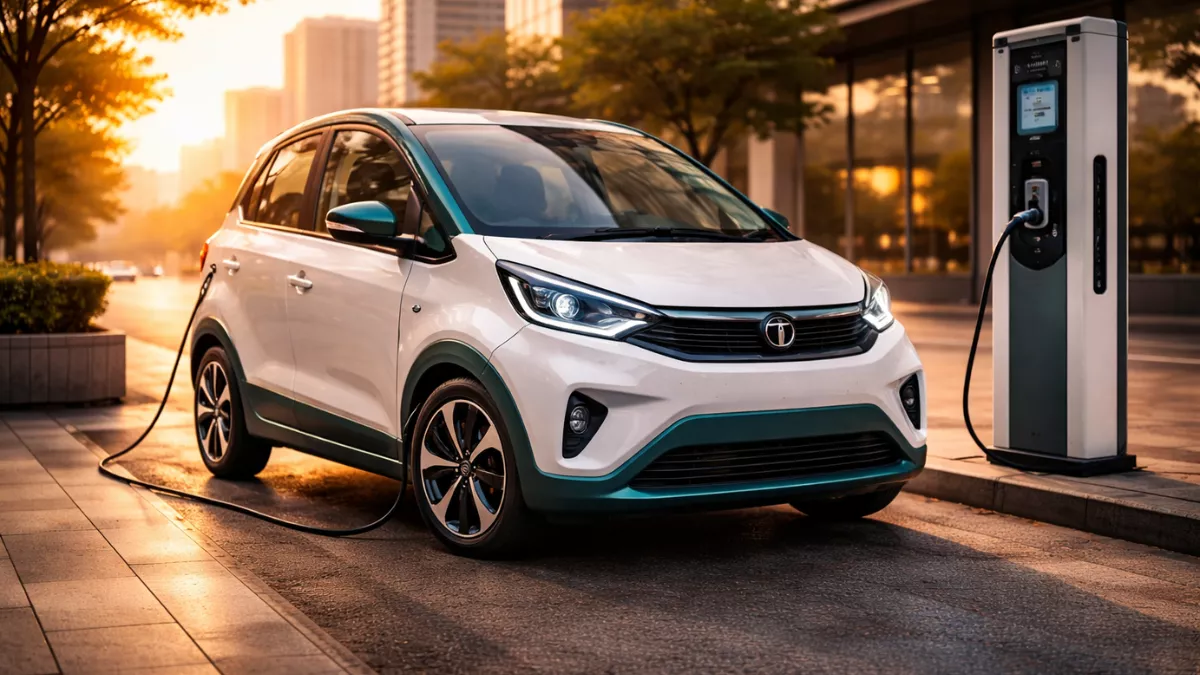
Electric cars are no longer a futuristic concept—they’re quickly becoming a practical everyday choice. But here’s the real question: can an affordable electric car truly deliver modern features, decent range, and fast charging without compromise? The 2026 Tata Nano EV aims to answer that with confidence.
Originally known for redefining budget mobility, the Nano name returns in 2026 with a fully electric twist. For US readers curious about compact urban EVs and global electric mobility trends, the Nano EV represents something important: how far electric affordability has evolved.



Let’s take a closer look at what this compact EV offers, who it’s for, and whether it lives up to expectations.
A Fresh Design for a New Era
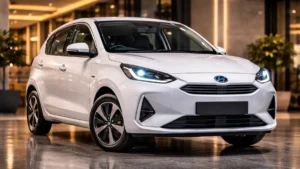
The 2026 Nano EV doesn’t look like a stripped-down economy car. Instead, it adopts a modern, city-friendly hatchback design.
Exterior Highlights
- Compact footprint ideal for urban driving
- LED headlamps and daytime running lights
- Aerodynamic closed-off front grille
- Dual-tone color options
- 14-inch alloy wheels
Its small size makes it perfect for tight parking spots and dense city traffic—an advantage in crowded metropolitan areas worldwide.
Battery, Range, and Fast Charging
One of the biggest concerns buyers have is range anxiety. The Nano EV addresses this with practical, real-world numbers.


Battery and Performance
- Estimated battery capacity: 20–25 kWh
- Claimed range: approximately 150–200 miles (240–320 km) per charge
- Single motor, front-wheel drive layout
- Smooth, instant torque delivery
For daily commuting, grocery runs, and short highway trips, this range is more than sufficient.
Fast Charging Capabilities
- DC fast charging: 10% to 80% in about 50–60 minutes
- AC home charging: Full charge in 6–8 hours
This makes overnight charging at home convenient, while public fast chargers can quickly top up the battery during longer trips.
Interior Comfort and Technology
Affordable doesn’t mean outdated. The 2026 model focuses on modern connectivity and comfort.
Cabin Features
- 7-inch touchscreen infotainment system
- Apple CarPlay and Android Auto compatibility
- Digital instrument cluster
- Automatic climate control
- Keyless entry
The interior layout is minimal but functional. Controls are simple, intuitive, and easy for first-time EV buyers to understand.



Rear-seat space is best suited for two adults or children, making this primarily a four-seater city car.
Safety and Practicality
Safety is non-negotiable in today’s market, even for entry-level EVs.
Expected Safety Features
- Dual airbags
- ABS with EBD
- Rear parking sensors and camera
- High-strength body structure
For urban driving at moderate speeds, these features offer essential protection and confidence.
In terms of practicality:
- Compact size = easier maneuverability
- Decent trunk space for groceries and small luggage
- Low running cost compared to gasoline vehicles
Ownership Costs and Savings
Electric vehicles shine when it comes to long-term savings.
Why It’s Budget-Friendly
- Lower energy cost per mile compared to gas
- Minimal maintenance (no engine oil, fewer moving parts)
- Potential government incentives depending on region
For example, charging an EV at home typically costs significantly less per mile than fueling a gasoline car, especially in regions with stable electricity rates.
Over five years, maintenance and fuel savings can noticeably offset the initial purchase cost.
Who Is the Nano EV For?
The 2026 Nano EV is ideal for:
- First-time car buyers
- Urban commuters
- Students and young professionals
- Families needing a second car
- Budget-conscious EV adopters
It’s not built for long-distance road trips across states, but it excels in city-focused mobility.
How It Compares in Today’s EV Market
Globally, compact EVs are gaining traction as cities push for cleaner transportation. Larger EVs often dominate headlines, but affordable city cars are driving mass adoption.
The Nano EV fits into the growing segment of:
- Entry-level electric hatchbacks
- Low-cost urban mobility solutions
- Compact EVs focused on efficiency over luxury
In a market increasingly focused on sustainability and cost savings, affordable EVs like this are becoming more relevant than ever.
Practical Tips Before Buying
If you’re considering an affordable EV like this, keep these points in mind:
1. Check Charging Access
Make sure you have reliable home charging or nearby public stations.
2. Understand Your Daily Range Needs
If your daily commute is under 50 miles, this range is more than adequate.
3. Compare Total Cost of Ownership
Factor in fuel savings, maintenance, insurance, and possible incentives.
4. Test Drive for Comfort
Compact cars feel different from SUVs. Make sure the size works for you.
Final Verdict
The 2026 Tata Nano EV proves that electric mobility doesn’t have to be expensive or complicated. It combines practical range, modern features, and fast charging in a compact, city-friendly package.
It’s not a luxury EV, and it doesn’t pretend to be. Instead, it focuses on what matters most: affordability, efficiency, and ease of ownership. For urban drivers who want a simple, budget-conscious transition to electric driving, this model makes a strong case.
As EV adoption accelerates worldwide, affordable compact models like this could play a major role in shaping the next phase of clean transportation.
Summary: Key Takeaways
- Compact, urban-focused electric hatchback
- 150–200 miles estimated range
- Fast charging support for convenience
- Modern infotainment and essential safety features
- Low ownership and maintenance costs
- Best suited for city commuters and first-time EV buyers
The 2026 Nano EV demonstrates that practical electric mobility is becoming more accessible than ever.